
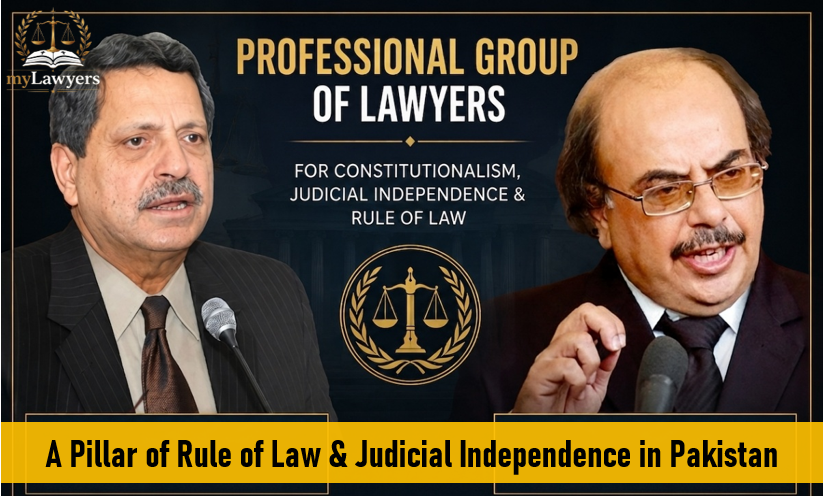
The Professional Group of lawyers occupies a significant position in Pakistan’s legal and constitutional landscape. Commonly associated with the leadership of senior lawyer Hamid Khan, the group has for decades remained one of the most influential forces in bar politics. Its importance extends beyond elections within bar associations and councils; it is closely connected with broader questions of judicial independence, constitutional supremacy, democracy and the rule of law.
Professional Group & Pakistan Legal Renaissance:
On August 17, 2026, the Professional Group had a meeting in Karachi to discuss issues confronting lawyers amid concerns over judicial independence and interference in bar affairs reflects the continuing relevance of these principles. The meet-up is significant pertaining to the upcoming elections of Supreme Court and Sindh High Court Bar Associations. However, such discussions are important because the independence of the judiciary cannot be separated from the independence of the legal profession. If lawyers are unable to freely represent clients, participate in bar institutions or criticize institutional shortcomings, the wider system of justice is weakened.
The Professional Group has traditionally presented itself as a voice for an independent legal profession and an autonomous judiciary. Its central philosophy is based on the principle that courts must be able to perform their constitutional functions without pressure or interference from the executive, political authorities or other institutions. At the same time, the group has consistently emphasized the importance of strong and independent bar institutions as an essential safeguard for the legal profession.
Leading the Lawyers Movement 2007-08:
The historical significance of Professional became particularly visible during the Lawyers’ Movement of 2007–2009. Senior members and allies of the Professional Group played an important role in mobilizing lawyers against attacks on judicial independence and constitutional governance. Under the auspicious leadership of Hamid Ali Khan, Munir A Malik, Ali Ahmed Kurd and other advocates, the legal community headed protests across Pakistan to defend the supremacy of the constitution and civilian institutions over military dictatorship.
The movement ultimately contributed to the restoration of deposed judges and demonstrated the capacity of Pakistan’s legal fraternity to become an important force for constitutional resistance.
Key Contestant in Pakistan Bar Elections:
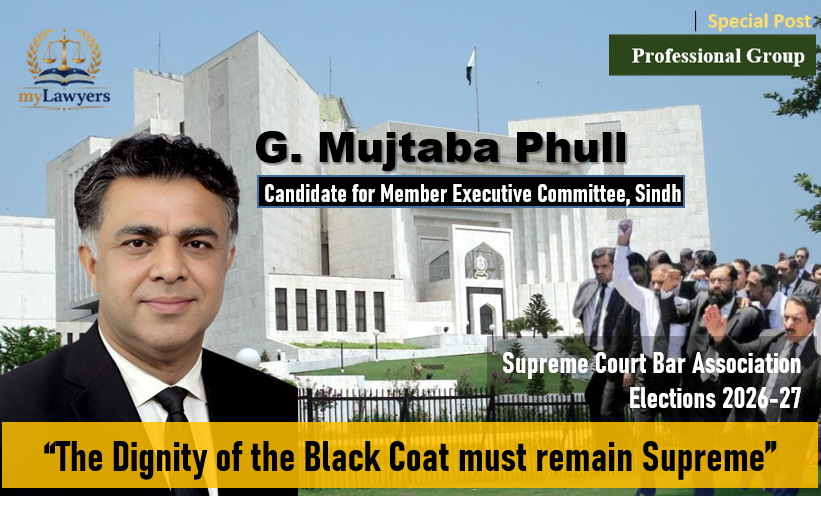
The group’s significance also stems from its influence within Pakistan’s bar associations and councils. Elections to bodies such as the Supreme Court Bar Association and provincial high court bars are not merely professional contests. These institutions frequently become platforms for debates about constitutionalism, judicial accountability, lawyers’ rights and the direction of the justice system. Through its participation in these elections, the Professional Group has sought to ensure that Pakistan’ lawyers remain an independent institutional voice rather than becoming subordinate to political or governmental interests.
However, the significance of the Professional Group should not be measured merely by its political victories or electoral influence. Its enduring importance depends on whether it can maintain principled independence, promote democratic participation within the bar and represent the collective interests of lawyers without becoming merely another political faction.
Civilian Supremacy:
Another important dimension of the group is its commitment to civilian supremacy and constitutionalism. Pakistan’s political history has repeatedly demonstrated the consequences of institutional imbalance and constitutional disruption. In this context, an organized legal fraternity can serve as an institutional counterweight to arbitrary exercise of power. Lawyers, as officers of the court, have a particular responsibility to defend constitutional processes and fundamental rights.
At a time when Pakistan continues to debate judicial independence, constitutional governance and the autonomy of professional institutions, the Professional Group remains an important voice within the country’s legal fraternity. Its legacy demonstrates that the strength of democracy ultimately depends not only on political institutions but also on independent lawyers, autonomous bars and courts capable of functioning without interference.
The Professional Group’s continuing challenge, therefore, is to transform its historic commitment to rule of law into sustained institutional action. Its greatest significance lies in reminding Pakistan that an independent judiciary requires an independent bar—and constitutional democracy requires both.
By
Editorial, mylawyers.pk
Frequently Asked Questions (FAQs)
1. What is the Professional Group of Lawyers in Pakistan?
The Professional Group is one of the most influential groups in Pakistan’s bar politics. Commonly associated with senior lawyer Hamid Khan, it advocates judicial independence, constitutional supremacy, the rule of law, democracy, and an independent legal profession.
2. Why was the Professional Group’s August 17, 2026 meeting in Karachi significant?
The meeting was significant because lawyers discussed concerns regarding judicial independence, interference in bar affairs and issues confronting the legal profession. It also assumed importance in the context of the upcoming elections of the Supreme Court Bar Association and Sindh High Court Bar Association, where competing visions for the future of the legal profession are likely to be debated.
3. What role did the Professional Group play in the Lawyers’ Movement of 2007–2009?
Senior members and allies of the Professional Group, including Hamid Ali Khan, Munir A. Malik and Ali Ahmed Kurd, played prominent roles in mobilizing lawyers against attacks on judicial independence and constitutional governance. The movement contributed to the restoration of deposed judges and demonstrated the legal fraternity’s ability to resist unconstitutional interference.
4. Why is the Professional Group important in Pakistan’s bar elections?
The group’s influence extends beyond electoral politics because bar associations and councils play an important role in defending lawyers’ rights, judicial independence and constitutional governance. Its participation in elections to bodies such as the Supreme Court Bar Association and High Court Bar Associations provides a platform to promote an independent and autonomous legal profession.
5. How does the Professional Group promote civilian supremacy and the rule of law?
The group’s traditional position emphasizes that state institutions must operate within the Constitution and that civilian constitutional authority should prevail over arbitrary or unconstitutional exercise of power. By advocating judicial independence, autonomous bar institutions and constitutional governance, the Professional Group seeks to act as an institutional counterweight to interference and the abuse of power.